Thailand Golden Triangle
7 Days / 6 Night
Max People : 20+
- Locations
Chiang Mai
Chiang Rai
Golden Triangle
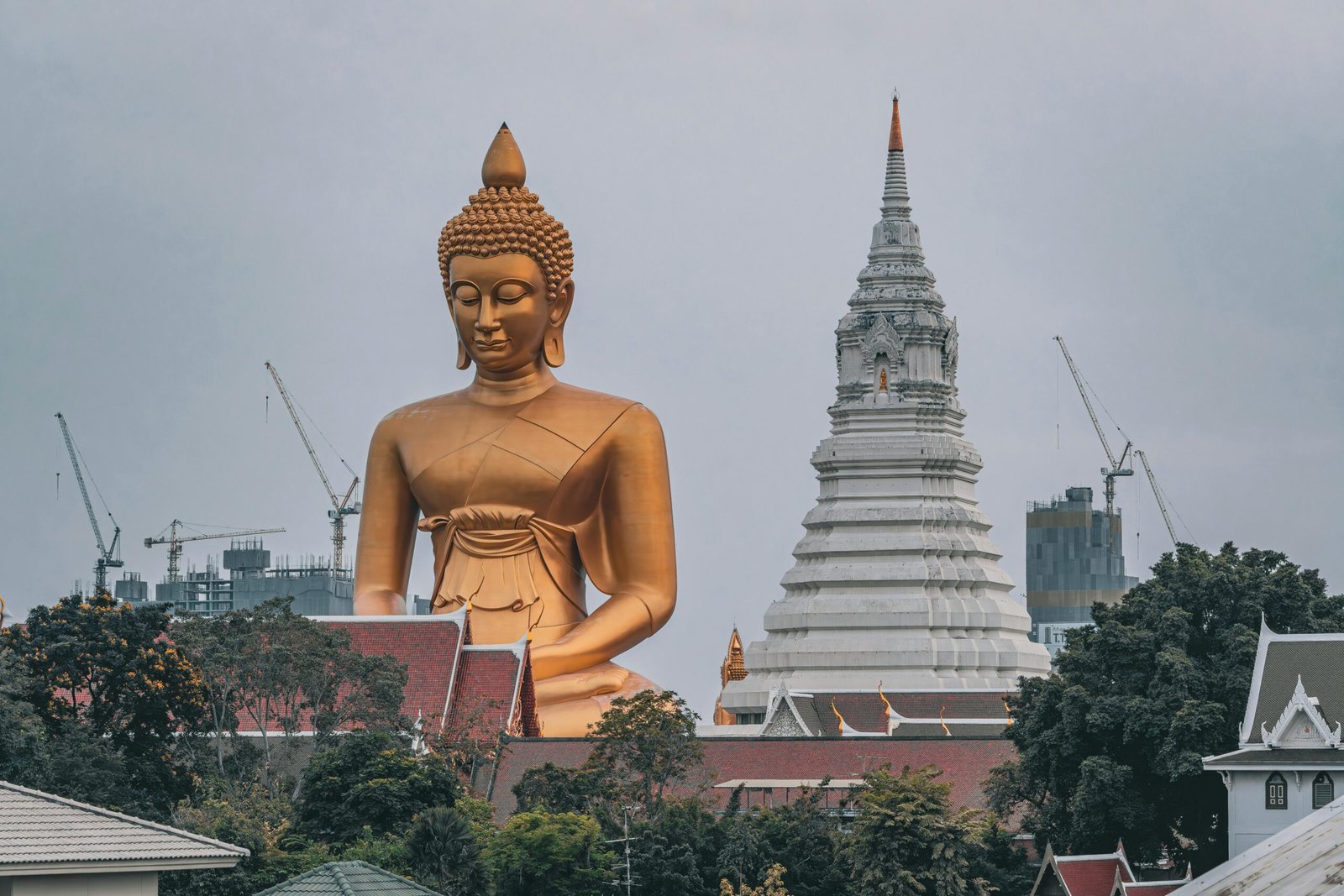
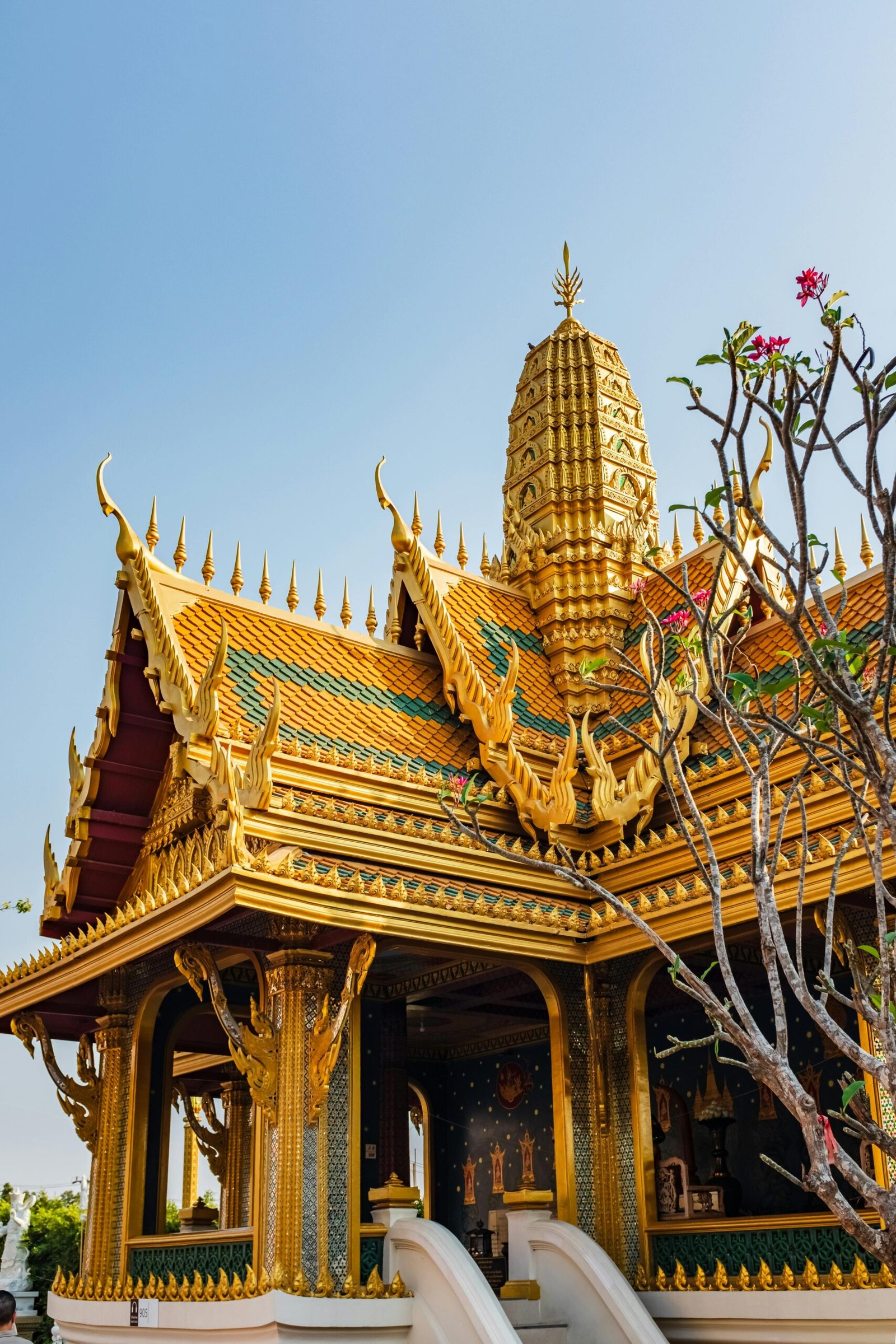
White Temple
Blue Temple
Doi Suthep
Mae Sapok Waterfall
Overview of Group Tour Journey
Embark on an exciting 5-day adventure through Thailand's most vibrant destinations. From Pattaya's pristine Coral Island to Bangkok's magnificent temples, experience the perfect blend of beach relaxation, cultural immersion, and urban excitement. Our thoughtfully designed itinerary includes Tiger Park encounters, the architectural marvel of the Sanctuary of Truth, spectacular shows, and Safari World adventures, ensuring an unforgettable Thai experience.
- Itinerary -
Day 1
Arrival in Chiang Mai: Gateway to the Lanna Kingdom & Sacred Mountain Pilgrimage
Chiang Mai, the "Rose of the North," served as capital of the ancient Lanna Kingdom (13th-18th centuries), a crucial Silk Road trading post connecting China, Myanmar, and Laos. This UNESCO-recognized cultural heritage region developed unique artistic traditions, architectural styles, and Buddhist practices that define Northern Thailand today. Your arrival marks the beginning of a journey through Thailand's most spiritually significant landscapes, where golden temples crown misty mountains and ancient traditions blend with modern hospitality.
Upon airport arrival, transfer to your historic city center hotel before ascending sacred Doi Suthep mountain to visit Wat Phra That Doi Suthep, Thailand's most revered Buddhist temple. Legend tells how a white elephant carried Buddha's sacred relic here in 1383, choosing this divine location. The 309-step naga staircase symbolizes the journey from earthly desires to enlightenment, while the golden chedi houses Buddha's shoulder bone relic. Sunset views over Chiang Mai reveal why this site remains central to Northern Thai pilgrimage. Evening exploration of the vibrant Night Bazaar offers cultural immersion through local handicrafts, traditional textiles, and authentic street cuisine
Day 2
Chiang Mai: Elephant Conservation Heritage & Ancient Lanna Craftsmanship
The elephant-Thai relationship spans 700 years, with these majestic creatures symbolizing royal power, Buddhist wisdom, and national identity. White elephants represent prosperity and peace in Buddhist cosmology, while modern conservation efforts focus on ethical rehabilitation of former logging elephants. This evolution from traditional elephant-human partnerships in forest industries to contemporary conservation demonstrates how ancient relationships adapt to modern environmental consciousness.
Begin at Maetaeng Elephant Park, witnessing Asian elephant intelligence through educational demonstrations and ethical interactions. These magnificent creatures, once essential to Thailand's teak industry, now serve as conservation ambassadors. After traditional picnic lunch, explore historic Wat Chedi Luang in the old city center, where a massive 15th-century pagoda once housed the Emerald Buddha before Bangkok relocation. The partially collapsed chedi tells the story of the 1545 earthquake that changed Chiang Mai's spiritual landscape. Conclude at San Kamphaeng Handicraft Village, where centuries-old Lanna traditions continue through silk weaving, silver crafting, umbrella painting, and pottery, showcasing Northern Thailand's cultural continuity
Day 3
Chiang Mai to Chiang Rai: Temple Architecture Evolution & Natural Hot Springs
The journey traverses the ancient Lanna Kingdom heartland, revealing Buddhist architecture's evolution from traditional styles to contemporary interpretations. Chiang Rai, founded in 1262 by King Mengrai as the first Lanna capital, witnessed convergence of Thai, Burmese, Chinese, and Laotian influences, creating unique artistic synthesis. Natural hot springs represent Thailand's geothermal heritage, traditionally used for therapeutic and spiritual purification by local communities for generations.
After breakfast and check-out, journey to Chiang Rai via scenic mountain roads, stopping at mineral-rich hot springs revered for healing properties since ancient times. Explore three revolutionary temples representing Thailand's artistic evolution: White Temple (Wat Rong Khun) showcases contemporary artist Chalermchai Kositpipat's interpretation of Buddhist cosmology, where intricate white facades symbolize Buddha's purity with modern elements reflecting humanity's enlightenment journey. Blue Temple (Wat Rong Suea Ten) features vibrant azure interiors representing Buddha's infinite wisdom, while Black House Museum (Baan Dam) presents artist Thawan Duchanee's controversial exploration of death and spiritual transformation through dark artistic expressions challenging conventional Buddhist aesthetics.
Day 4
Chiang Rai: Natural Heritage & Local Cultural Immersion
Northern Thailand's natural landscape fundamentally shapes local cultural identity, with waterfalls, forests, and rivers serving as spiritual sanctuaries and economic resources for indigenous communities. Mae Sapok Waterfall represents pristine environments sustaining local ecosystems and agricultural communities. Traditional Thai-nature relationships emphasize harmony and respect, reflected in Buddhist environmental stewardship teachings. Local markets serve as cultural hubs where agricultural traditions, culinary heritage, and social customs converge.
Begin with a peaceful trek to Mae Sapok Waterfall, where cascading waters create a natural sanctuary surrounded by lush tropical vegetation. This serene environment provides meditation opportunities while observing sustainable community-nature relationships maintained for centuries. The multi-tiered waterfall structure creates natural pools perfect for relaxation, embodying Thai concepts of finding tranquility in nature's embrace. Afternoon exploration of Chiang Rai's vibrant local market offers genuine cultural immersion through interactions with farmers, artisans, and vendors representing generations of traditional knowledge. Sample regional specialties, observe traditional food preparation, and discover unique products reflecting Northern Thailand's agricultural heritage and culinary diversity.
Day 4
Chiang Rai: Natural Heritage & Local Cultural Immersion
The Golden Triangle represents one of Southeast Asia's most historically significant regions, where the borders of Thailand, Laos, and Myanmar converge along the mighty Mekong River. This strategic location facilitated centuries of trade, cultural exchange, and political intrigue, earning its name from the golden-colored opium poppies that once dominated the regional economy. The area's transformation from opium production center to sustainable agriculture and tourism destination demonstrates remarkable social and economic evolution. The Hall of Opium Museum provides crucial historical context about how international drug trade shaped regional politics, economics, and social structures while honoring efforts to create alternative livelihoods for former opium-growing communities.
Your final day begins with check-out and an excursion to the legendary Golden Triangle, where the borders of three nations meet at the confluence of the Ruak and Mekong Rivers. This geographic and cultural crossroads has witnessed the rise and fall of kingdoms, the passage of traders and diplomats, and the flow of goods and ideas between civilizations for over a millennium. Enjoy a memorable 15-minute boat ride to Laos, experiencing the international character of this border region while observing how the Mekong River continues to serve as a lifeline for riverside communities. The comprehensive Hall of Opium Museum visit provides sobering insights into the region's complex past, examining how opium trade influenced local societies while celebrating successful transition to sustainable development and alternative crops that now support former opium-growing communities.
- Included
- Airfare and Visa
- Accommodation
- Insurance(Above age of 60 extra charges applicable)
- Daily breakfast at the hotel(Excluding on arrival day)
- Lunch & Dinner As per the itinerary mentioned above
- Airport Transfer(PVT)
- All sightseeing entrances as mentioned above itinerary
- Guide tips
- Exclude
- Personal Expenses
- GST&TCS Additional
- Other expenses which are not included in this itinerary
- Additional Info
- No Additional Info
Enquire Now
Payment Modes & Policy :
Cancellation Policy: Any amendment, cancellation, or transfer will be treated as a cancellation and will be subject to our Cancellation and Refund Policy. The applicable cancellation charges per person are as follows:
Cancellation Charges: The guest will be required to pay the following percentages of the total tour cost as cancellation charges:
Payment Modes
- Advance payment of ₹1,00,000 per person is required at the time of booking, prior to visa application.
- The remaining balance must be cleared at least 30 days before the departure date.
| Cancellation Period | Cancellation Fee |
|---|---|
| No of days before departure from the date of receipt of your cancelation request | Amount of cancellation charges in % on total tour pricemust be paid by the guest |
| More than 90 Days | Deposit Amount or 20% of Tour Cost (whichever is higher) |
| 90 - 61 Days | 50% |
| 60 - 46 Days | 75% |
| 45 - 31 Days | 90% |
| 30 - 16 Days | 100% |
| 15 - 01 Days | 100% |
On the day of departure or during the tour – 100% cancellation charges apply.
Cancellation of any additional services or deviations will incur extra charges, along with applicable GST on the cancellation amount.